Emeka Esogbue, popularly called 'Pen Master' Is Always The First In The Documentation of The Ibusa People History
1. Pen Master was the first to document Omuship of the Anioma people in books
2. Pen Master was the first to document the Ikwele Institution of Ibusa in history book
3. Pen Master was the first to document the Igbuzo Singles Meet, Ibusa Sports Club and Ibusa Youth Council in history book
4. Pen Master was the first to document Ibusa group musicians such as Mbosionyewu Obulunjoa, Otu Ife Onye Lolu Nwandu, Otu Ifechukwude, Otu Ofu Obi etc in history book.
5. Pen Master was the first to put Ibusa soloist musicians such as Ogbogu Okonji, Isioma Nwalama, Iweanya Nwalama, Bright Osadebe, St. Michael Obanya, Peter Nwa Onye Isu, Etiti Okonji etc in history book.
6. Pen Master was the first to list Ibusa Olinzele and all traditional title holders in the community with their names and ogbes and documented them in a book
7. Pen Master was the fist to do a compendium of Ibusa rivers, important and other sacred places and documented them
8. Pen Master was the first to document the Ohene institution in a book
9. Pen Master was the first to document Dagbua, the patriarch of Idumuohene and Idumuohene history in book
10. Pen Master was the first to do a historical collection of the emergence of Christianity in Ibusa, with the Ibusa resistance and consequences
11. Pen Master was the first to list all the branches of ICDU and put them in a book
12. Pen Master was the first to establish Ibusa-Ojoto relationship
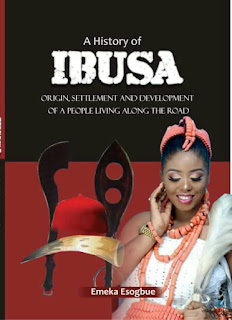
All in one book, "A History of Ibusa".
It is the hottest selling Anioma book.

1. Pen Master was the first to document Omuship of the Anioma people in books
2. Pen Master was the first to document the Ikwele Institution of Ibusa in history book
3. Pen Master was the first to document the Igbuzo Singles Meet, Ibusa Sports Club and Ibusa Youth Council in history book
4. Pen Master was the first to document Ibusa group musicians such as Mbosionyewu Obulunjoa, Otu Ife Onye Lolu Nwandu, Otu Ifechukwude, Otu Ofu Obi etc in history book.
5. Pen Master was the first to put Ibusa soloist musicians such as Ogbogu Okonji, Isioma Nwalama, Iweanya Nwalama, Bright Osadebe, St. Michael Obanya, Peter Nwa Onye Isu, Etiti Okonji etc in history book.
6. Pen Master was the first to list Ibusa Olinzele and all traditional title holders in the community with their names and ogbes and documented them in a book
7. Pen Master was the fist to do a compendium of Ibusa rivers, important and other sacred places and documented them
8. Pen Master was the first to document the Ohene institution in a book
9. Pen Master was the first to document Dagbua, the patriarch of Idumuohene and Idumuohene history in book
10. Pen Master was the first to do a historical collection of the emergence of Christianity in Ibusa, with the Ibusa resistance and consequences
11. Pen Master was the first to list all the branches of ICDU and put them in a book
12. Pen Master was the first to establish Ibusa-Ojoto relationship
All in one book, "A History of Ibusa".
It is the hottest selling Anioma book.
Comments
Post a Comment